Understanding Electrical Automation Technology
Electrical automation technology represents a transformative force in contemporary industries, streamlining processes and enhancing productivity. At its core, electrical automation involves the use of electrical systems and components to perform tasks with minimal human intervention. This technology is critical for improving operational efficiency, reliability, and safety in numerous applications, ranging from manufacturing plants to energy distribution networks.
The principles of automation are centered around the ability to control machinery and processes through a system of sensors, actuators, and controllers. By employing these components, businesses can automate repetitive tasks, thus reducing the likelihood of errors while freeing human workers to focus on more complex activities. This shift not only contributes to higher production rates but also ensures consistent quality output, which is essential in maintaining competitive advantage.
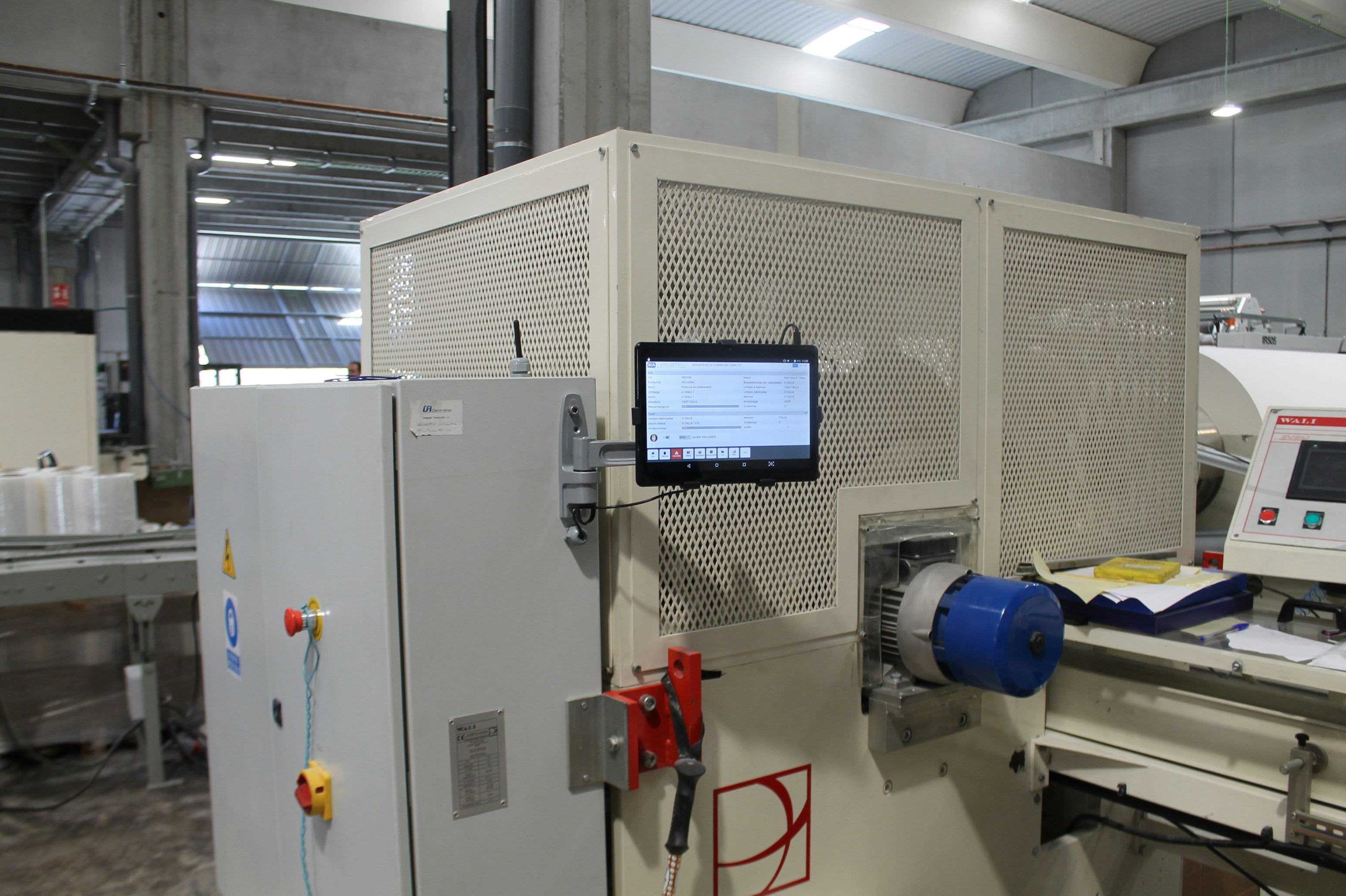
Several key components play a vital role in the electrical automation landscape. Programmable Logic Controllers (PLCs) are crucial for managing machine operations, allowing for the reprogramming of processes without the need for physical alterations to the hardware. Human-Machine Interfaces (HMIs) provide operators with a graphical means to monitor and control automated systems, ensuring intuitive interaction with the equipment.
Moreover, Supervisory Control and Data Acquisition (SCADA) systems are integral for monitoring and controlling large-scale industrial processes. SCADA integrates data collection and feedback management, providing insights into system performance and enabling rapid responses to anomalies. Collectively, these technological components support the broader goals of increasing efficiency, enhancing safety measures, and lowering operational costs.
In summary, understanding electrical automation technology involves recognizing its fundamental components and the transformative impact it has on industries. The integration of advanced electrical systems not only optimizes operations but also fosters an environment where safety and reliability are prioritized, setting a solid foundation for future advancements in automation.
Key Components of Electrical Automation Technology
Electrical automation technology is fundamentally driven by three critical components: Programmable Logic Controllers (PLCs), Human-Machine Interfaces (HMIs), and Supervisory Control and Data Acquisition (SCADA) systems. Each of these components plays a vital role in enhancing efficiency, control, and data management within automated environments.
Programmable Logic Controllers, or PLCs, are digital computers specifically designed for industrial automation. They control machinery, process equipment, and other automated devices by executing predetermined sequences of operations. PLCs are renowned for their high reliability and ability to withstand harsh industrial conditions. Major manufacturers, such as Siemens and Mitsubishi, have consistently innovated in this domain, producing PLCs that vary in size and complexity to meet diverse application requirements.
Human-Machine Interfaces (HMIs) serve as crucial bridges between operators and machines, facilitating interaction and control. These interfaces allow operators to monitor processes, view status updates, and issue commands efficiently. The usability of an HMI is directly linked to overall system effectiveness; therefore, modern HMIs prioritize user experience while integrating advanced visualizations and real-time data analytics. Leading companies, including Schneider Electric, have developed intuitive HMI solutions that empower operators to optimize performance and troubleshoot issues swiftly.
On the other hand, Supervisory Control and Data Acquisition (SCADA) systems play an essential role in overseeing and controlling industrial processes over vast geographic areas. SCADA facilitates the gathering of real-time data from multiple PLCs and HMIs, enabling centralized monitoring and management of operations. This aids in performance optimization and enables proactive maintenance, thereby minimizing downtime. Industry giants continue to enhance SCADA technology, focusing on cloud integration and cybersecurity considerations, ensuring systems operate smoothly and securely.
In conclusion, the integration of PLCs, HMIs, and SCADA systems is critical to the advancement of electrical automation technology. Together, they form a cohesive framework that drives efficiency, enhances control, and fosters innovation across various industries.
Drive and Servo Drives: The Backbone of Motion Control
Drive and servo drive technology plays a critical role in electrical automation, serving as essential components that facilitate precise motor control and efficient operation of machinery. These systems convert electrical energy into controlled motion, effectively managing the speed, torque, and position of motors. This capability is indispensable across a variety of industrial applications, where optimal performance is a key determinant of operational efficiency and productivity.
There are several types of drives in the market today, each offering unique features tailored for different applications. For instance, variable frequency drives (VFDs) are widely used for controlling the speed of AC motors, while servo drives are designed for high-performance applications requiring precise control of position and speed. Notably, leading manufacturers such as Omron, Yaskawa, ABB, and Delta provide a range of drive solutions, each distinguished by varying functionalities, adaptability, and technological advancements.
Omron is known for its innovative integration of control systems, enhancing the interconnectivity of machinery. Yaskawa specializes in servo technology, providing highly responsive systems that excel in robotics and motion control applications. ABB offers a comprehensive suite of drive solutions characterized by their reliability and robustness, making them suitable for demanding industrial environments. Delta, on the other hand, emphasizes energy efficiency in its drive offerings, promoting sustainable automation practices.
Selecting the right drive system is paramount for the success of specific automation tasks. Factors such as the required precision, load characteristics, environmental considerations, and compatibility with existing systems must be accounted for. Understanding these elements is essential to harnessing the full potential of drive and servo technology, thereby ensuring enhanced operational efficacy within various industrial sectors. By prioritizing the right drives, organizations can significantly improve their automation processes and overall productivity.
Future Trends in Electrical Automation Technology
As we look towards the future of electrical automation technology, several emerging trends and advancements are poised to reshape the landscape of the industry. A critical development is the evolution of connectivity, particularly with the integration of the Internet of Things (IoT). This technology facilitates real-time communication between devices, enabling enhanced data collection and monitoring. With IoT-enabled systems, businesses can achieve improved efficiency and responsiveness, adapting operations promptly to changing conditions.
Another significant trend is the incorporation of big data and artificial intelligence (AI) into automation processes. The analysis of large datasets allows companies to identify patterns and insights that were previously inaccessible, leading to more informed decision-making. AI algorithms can optimize processes, predict maintenance needs, and personalize services, ultimately increasing productivity and reducing operational costs. The synergistic relationship between big data and AI represents a transformative shift in how electrical automation is applied across various sectors.
The drive towards smart factories is also a noteworthy trend shaping the future of electrical automation technology. Smart factories leverage advanced technologies, including robotics, machine learning, and cyber-physical systems, to create highly connected and adaptive production environments. By implementing these technologies, manufacturers can enhance flexibility, reduce downtime, and increase overall output quality, all while maintaining a focus on sustainability.
Industry leaders such as Danfoss, LSIS, and Invertek are at the forefront of these trends. They are continually innovating to meet the evolving demands of their customers, ensuring that their solutions are not only efficient but also sustainable. As businesses increasingly prioritize sustainable practices, the role of electrical automation technology becomes crucial in achieving these goals. Integrating sustainable solutions within automation systems not only addresses environmental concerns but also aligns with market trends toward greener manufacturing practices.